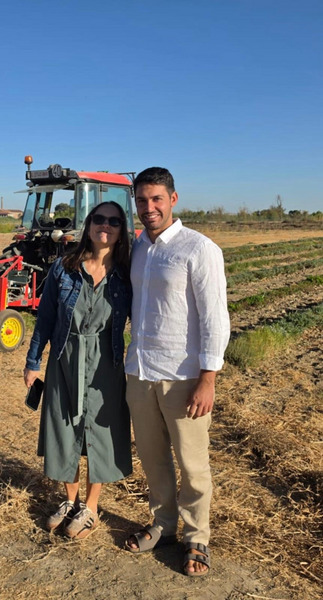
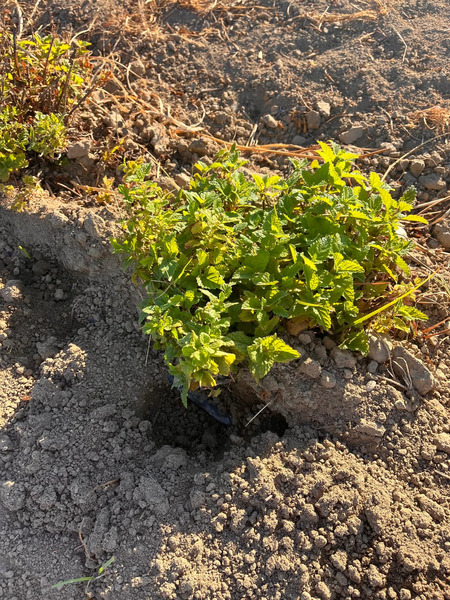
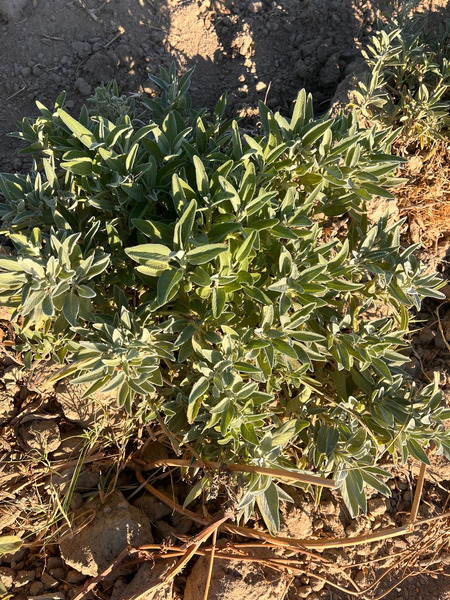
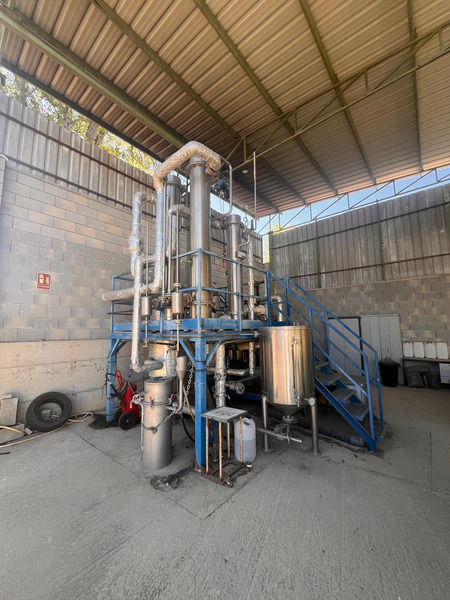
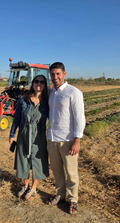
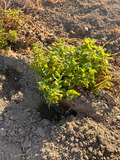
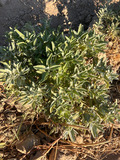
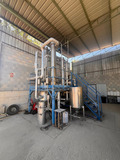
During the STSM, Roberto worked closely with Juliana Navarro Rocha and the CITA research team on the QDPAM experimental programme, focusing on Melissa officinalis and Salvia officinalis. The work centred on two complementary areas: weed management and irrigation. Existing protocols, weed assessments, biomass and essential-oil records, irrigation information and field activity logs were reviewed and organised into a common analytical framework.
A key objective was to move beyond agronomic performance alone and understand the resources required by each management strategy. This includes labour, machinery, fuel, water, energy and treatment inputs. Four short technical questionnaires were therefore prepared with the CITA team to fill the remaining data gaps and support a realistic economic assessment.
The next step is to combine these new technical data with the existing experimental results in a single dataset. This will make it possible to calculate indicators such as working hours per hectare, fuel and water use, treatment costs and resource-use efficiency, while keeping the original experimental design intact.
The STSM has also created a concrete basis for continued collaboration between CITA Aragón and the University of Catania. Roberto, Juliana and the wider research team are now working towards a joint scientific paper that will integrate agronomic and economic evidence and contribute to the weedingMAPs objective of developing more sustainable and practically viable weed-management strategies for medicinal and aromatic plants.
Further Information
Contact
Roberto Carbone, Department of Agriculture, Food and Environment (Di3A), University of Catania
Link:
- weedingmaps.eu: Grants
 tap and then scroll down to the Add to Home Screen command.