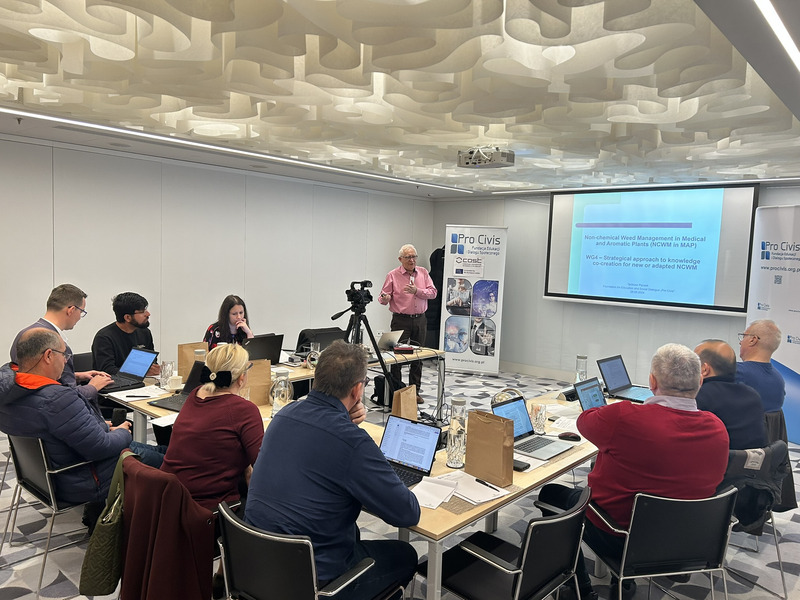
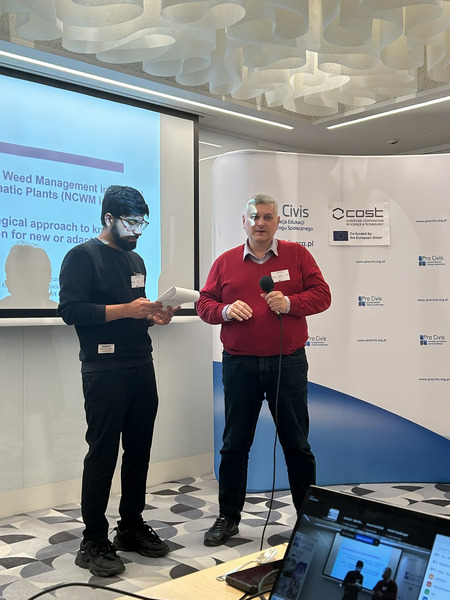
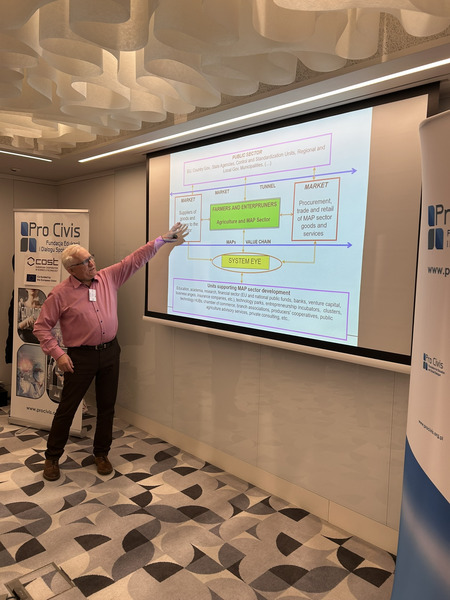
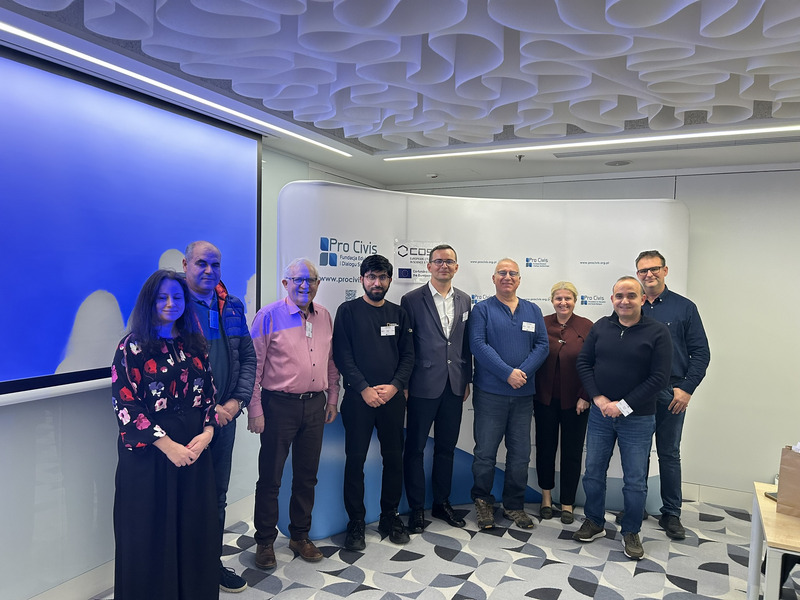
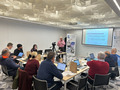
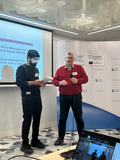
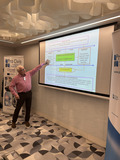
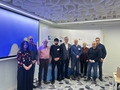
The single-day workshop focused entirely on Working Group 4, which drives the strategic approach to knowledge co-creation for new or adapted non-chemical weed management. Tadeusz Pęczek opened the morning session with an official overview of Working Group 4 under CA 23123 weedingMAPs. Following participant presentations, the group selected Task Leaders and Co-leaders to guide upcoming project activities.
The morning session also featured an in-depth planning assembly for Task 1, which aims to build a comprehensive stakeholder network. This task involves mapping sector networks and identifying key actors along the entire value chain, from machinery sectors to policy makers. After a joint lunch break, the workshop transitioned to a hybrid format.
An afternoon online meeting connected physical attendees with remote European participants. The combined group reviewed the Task 1 implementation schedule and outlined reporting guidelines for December 2025. The online session also confirmed future workshop timelines. Back offline, participants spent the final hours designing a comprehensive action plan and holding targeted networking meetings.
The strategic work initiated at this workshop will directly influence three main pillars: knowledge sharing, knowledge co-creation, and knowledge innovation. Additionally, it lays the groundwork for a multi-factor SWOT analysis evaluating ten crucial development factors for the sector, including economic, technological, and environmental impacts.
Further Information
Contact:
Tadeusz Pęczek – Foundation for Education and Social Dialogue "Pro Civis", Poland
Paweł Sobczyk – Foundation for Education and Social Dialogue "Pro Civis", Poland
 tap and then scroll down to the Add to Home Screen command.