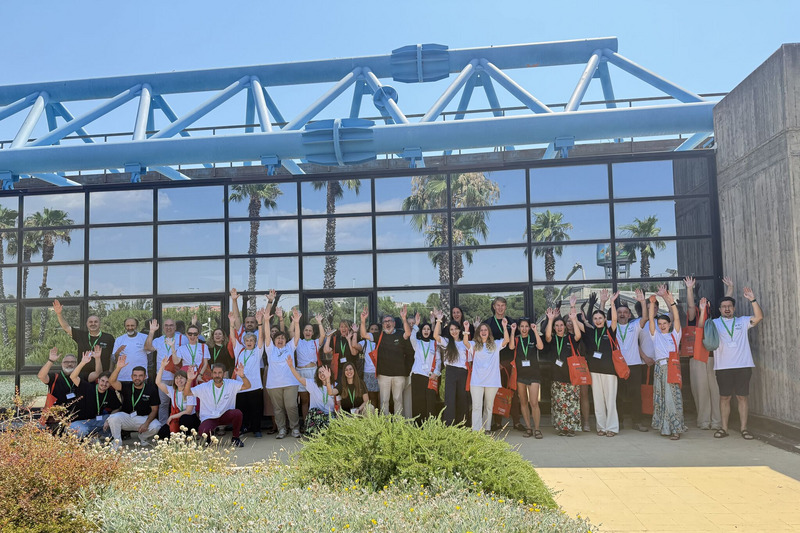
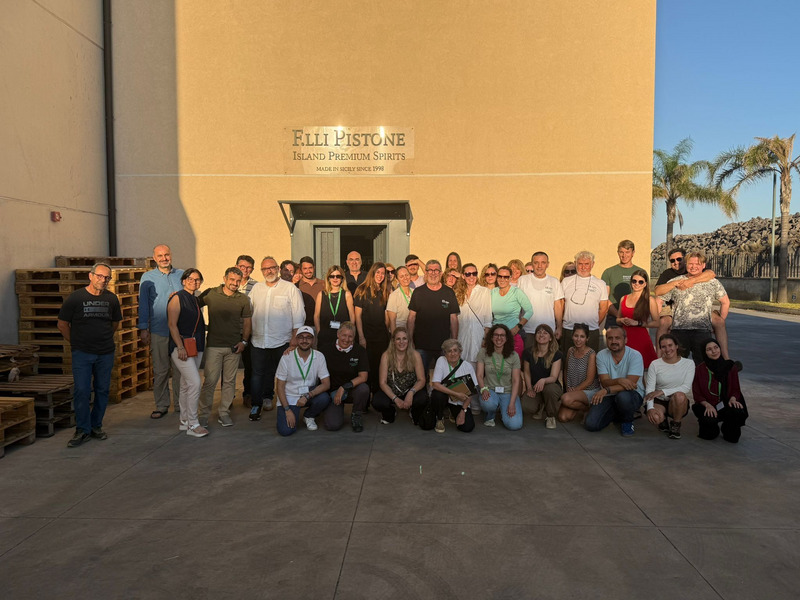

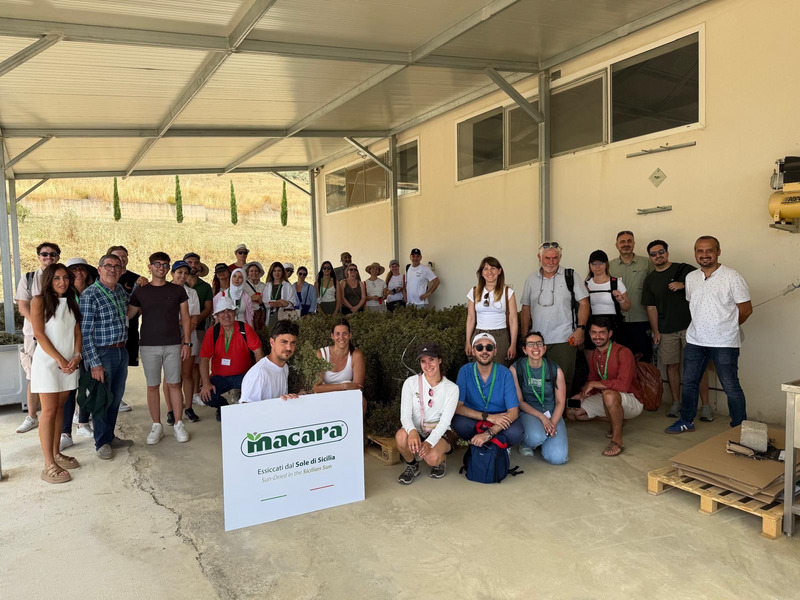
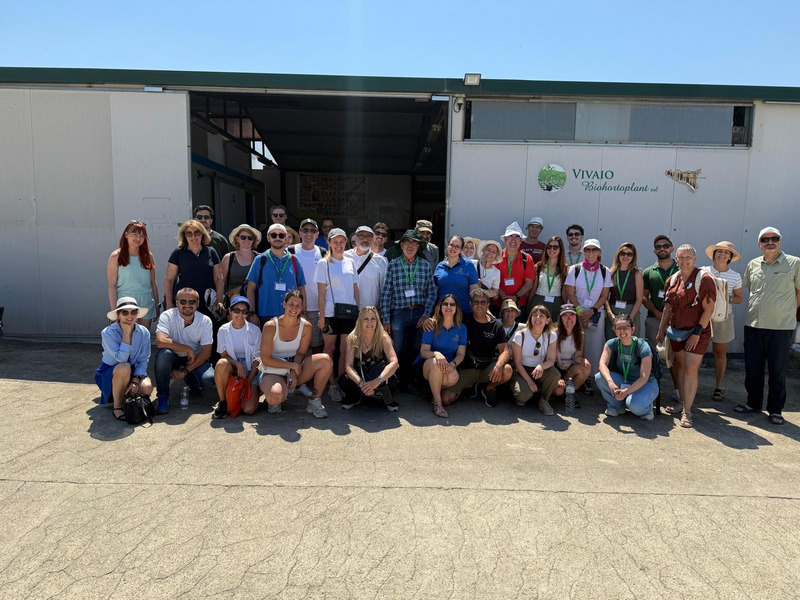

Participants began the week by exploring the project proposal development process and the chemistry of post-distillation residues. Experts demonstrated how agricultural liquid residues and solid by-products can transform into valuable soil amendments, biofuels, cosmetics, and food additives. Insight into laboratory techniques allowed attendees to learn about the extraction of bioactive compounds followed by modern analytical techniques.
The program also addressed current trends in non-chemical weed management strategies for MAPs. Lecturers discussed the economic and social barriers to adoption, policy incentives and regulatory frameworks like the European Union Green Deal.
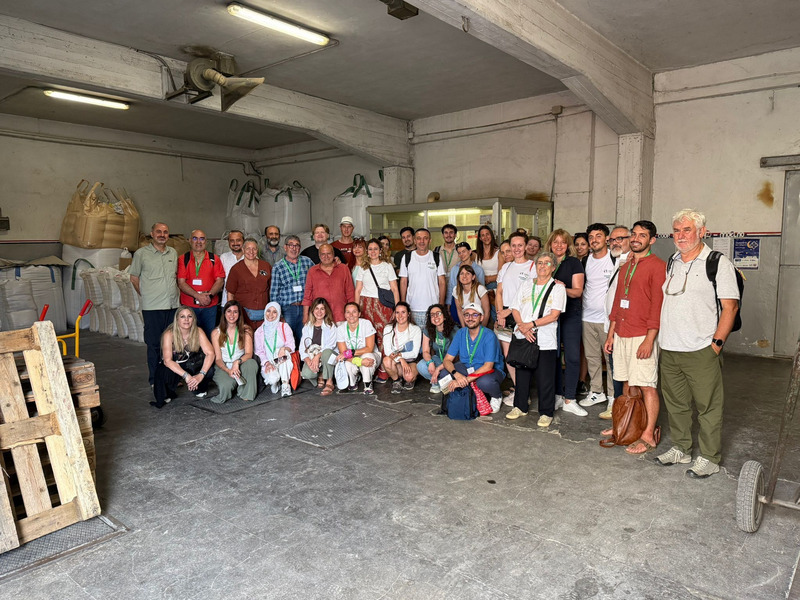
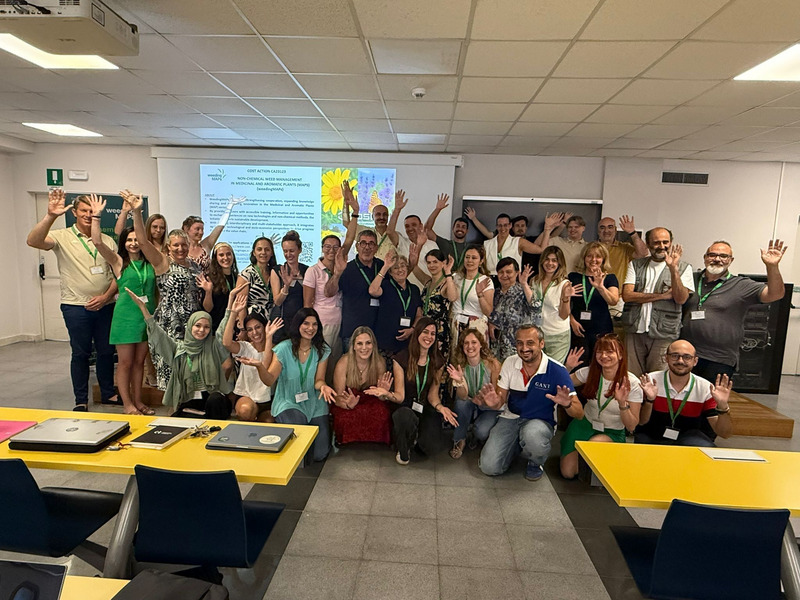
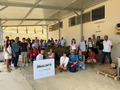
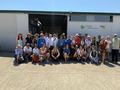
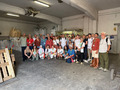
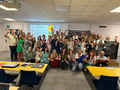
Two dedicated field days provided practical insights into the agricultural industry. The group traveled to various regional facilities, including the Simone Gatto Company, Nursery Bio Hortoplant, and the Macara and Sammartino farms, to observe industrial operations and sustainable farming practices firsthand. The final days focused on knowledge exchange, reviewing network activities from 2025, and planning future initiatives for 2026. The event concluded with an interactive group workshop where students successfully presented their project proposals for sustainable weed management strategies.
Further Information
Contact:
Anja Vieweger, FiBL, Switzerland
Juliana Navarro Rocha, CITA Aragón, Spain
Ferdinando Branca, University of Catania, Italy
Ivana Carev, University of Split, Croatia
Link:
- drive.google.com: All the presentations held during the Summer School 2026
 tap and then scroll down to the Add to Home Screen command.