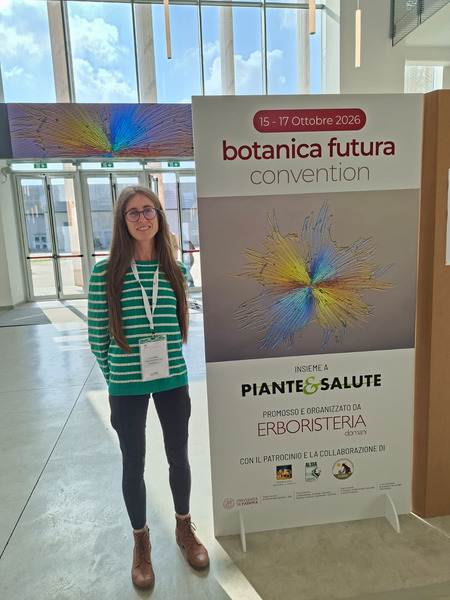
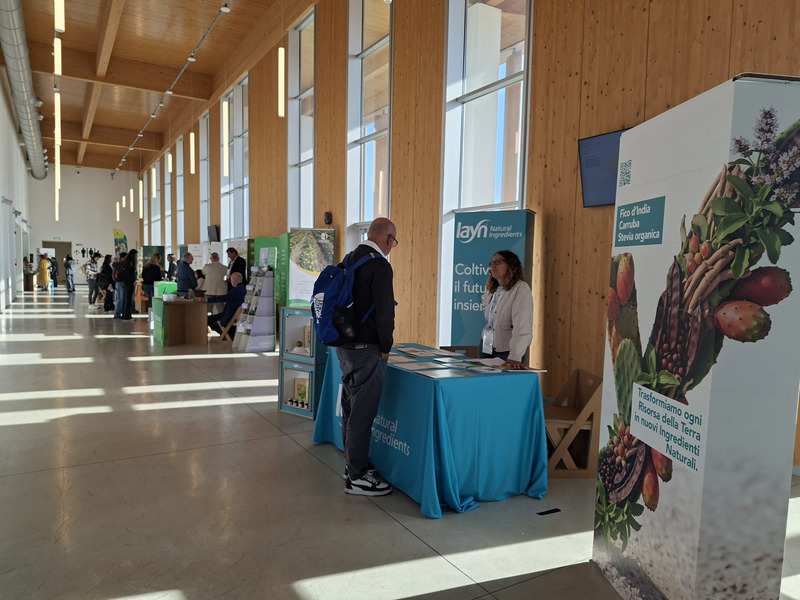
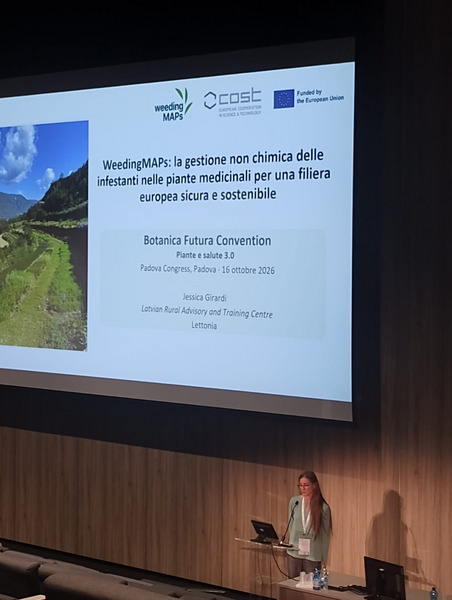
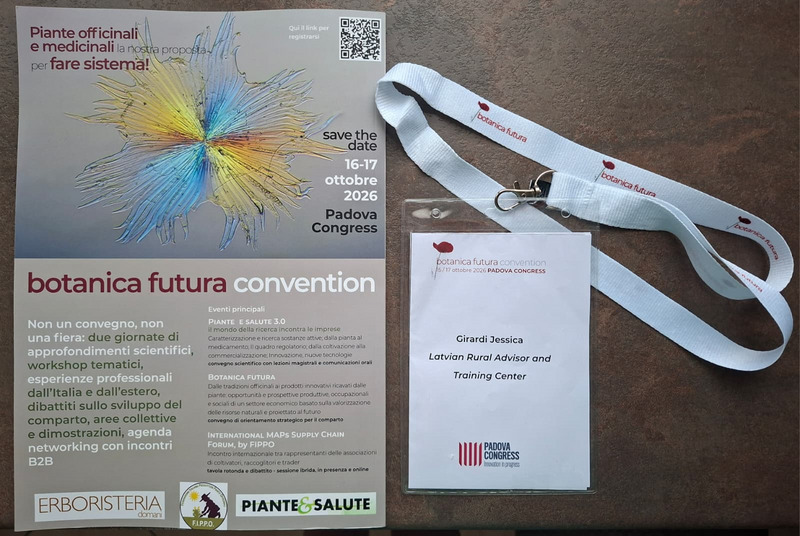
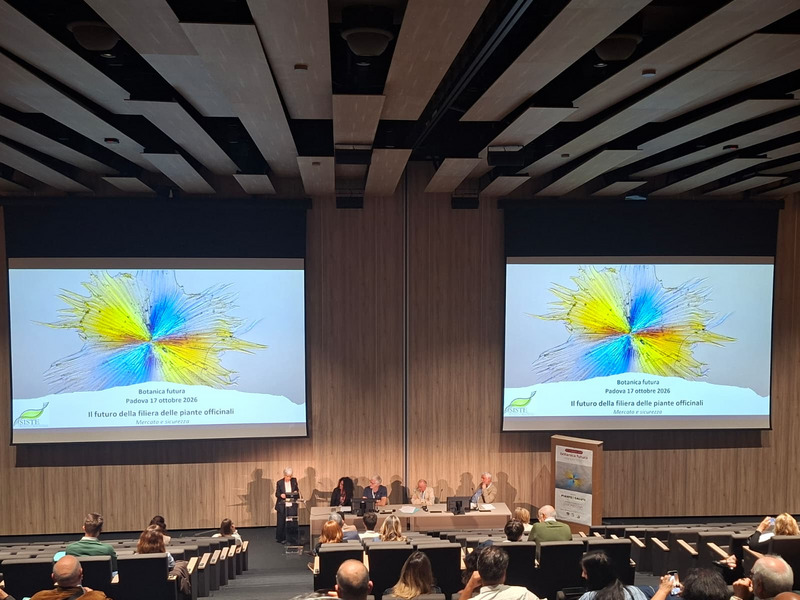
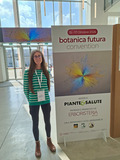
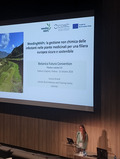
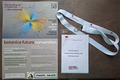
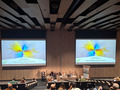
The weed management in the cultivation of medicinal and aromatic plants play a central role: weeds compete for water, nutrients and light, reducing both yield and the quality of the herbal raw material, which must meet strict pharmacopoeial requirements for purity and the absence of pesticide residues and contaminants such as pyrrolizidine alkaloids. With the European Green Deal requiring a 50% reduction in chemical pesticide use by 2030, non-chemical weed control is crucial for a safe and sustainable supply chain. WeedingMAPs, active since September 2024, addresses this through an interdisciplinary, multi-actor network. Its objectives, structure and preliminary results to the sector's stakeholders were presented at the convention.
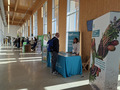
During the event, parallel workshops covered regulations for small herbal businesses, innovation in cultivation, market trends, the role of the herbalist and plants as a source of fragrances. Climate change, regulatory constraints, and research and innovation have also been addressed. In the exhibition area, 21 companies, from small short-supply-chain farms and co-operatives to industrial enterprises, showed a vibrant production sector committed to quality and professionalism.
The event offered valuable opportunities for networking and for promoting the Action and its objectives. The organisers are already preparing the next edition, hoping to engage businesses, individuals and local authorities seeking new perspectives for an agricultural sector under pressure from the climate crisis and market uncertainty.
Further Information
Contact
Jessica Girardi, Latvian Rural Advisory and Training Centre (Latvia)
Links:
- erbale.bio: piante officinali, botanica applicata (medicinal & aromatic plants, applied botany)
- fippo.org: Federazione Italiana Produttori di Piante Officinali (Italian Federation of Medicinal Plant Producers)
- llkc.lv: Latvian Rural Advisory and Training Centre
 tap and then scroll down to the Add to Home Screen command.